
Distributor Procurement
How to Compare Fiber Optic Cable Quotations Beyond Price per Kilometer
A buyer-side method for normalizing cable construction, quantity, drum plan, delivery scope, documents, deviations and total evaluated cost before selecting a supplier.
Direct answer: compare scope first and price second
Two fiber optic cable quotations are comparable only when they use the same product construction, fiber requirement, quantity tolerance, drum plan, delivery point, commercial term, documentation and accepted deviations. Put the buyer requirement in the first column, each supplier response beside it and the unresolved difference in a separate deviation column before ranking unit prices.
Freeze one technical baseline
Use an approved datasheet or RFQ schedule that identifies application, fiber count and category, cable construction, tube and strength-member arrangement, armour, water blocking, sheath, outside-diameter and weight limits, optical performance, mechanical and environmental requirements, marking and applicable test methods. A familiar model name alone does not guarantee identical materials or performance between factories.
Compare the offered construction, not only the cable code
Ask each supplier to submit a construction drawing and completed technical schedule. Record fiber manufacturer or accepted equivalent where required, loose-tube and filling design, armour material, yarn or strength-member system, sheath material and nominal dimensions. Mark every alternative clearly; a lower price based on a different armour, sheath thickness or fiber specification is not a like-for-like saving.
Normalize quantity and drum assumptions
Compare total metres, order tolerance, standard and special drum lengths, short-drum policy, spare cable, reel or wooden-drum type, gross dimensions and whether drum length can change after route approval. A quote with fewer drums may reduce packing and splices, but only if the buyer's transport, unloading and installation plan can handle the proposed size.
Put every offer on the same delivery basis
Record currency, named Incoterm and named place or port, freight inclusion, insurance responsibility, export packing, customs documents, destination charges and quotation validity. Incoterms allocate tasks, cost and risk but do not replace a complete sales contract. Compare the same destination and scope or calculate an evaluated landed basis separately.
Separate included documents from available documents
List approved datasheet, construction drawing, routine optical records, drum schedule, packing list, certificate or declaration required by the destination or contract, inspection plan and loading evidence. ISO 9001 supports the factory quality-management system; CE and RoHS documents must be checked against their actual product and scope. A logo in a quotation is not a substitute for the requested, verifiable file.
Make deviations and assumptions visible
Require a signed deviation list even when a supplier states full compliance. Include missing route inputs, alternative materials, dimension tolerances, test sampling, brand substitutions, packaging differences and commercial exclusions. Silence should not be treated as acceptance. Close each item before the purchase order so production is not approved against two conflicting documents.
Compare lead time by approval gate
Ask what starts the production clock: deposit, technical approval, artwork approval, raw-material arrival or final drum schedule. Separate sample or pre-production approval, mass production, inspection, packing and shipment booking. A short headline lead time can be misleading when drawings, printing or special materials remain open.
Score supplier evidence, not marketing volume
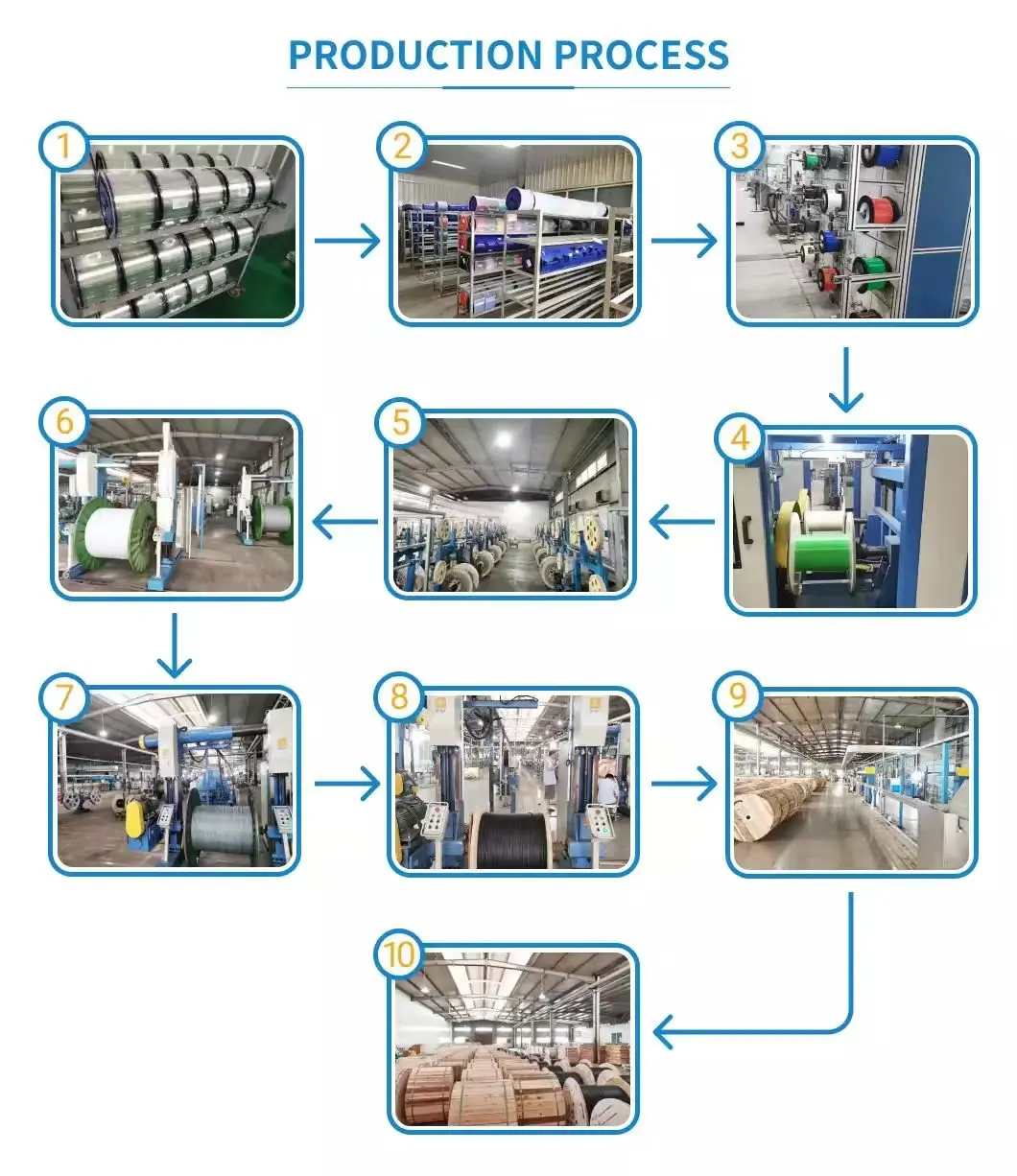
Useful evidence connects the offered product to a real process: factory identity, production equipment, traceable material and batch records, calibration status, routine test records, readable cable marking, drum labels and packing controls. Assess whether the supplier can return order-specific records, not how many generic factory photographs appear in the proposal.
Build the evaluated-cost decision table
For each supplier record compliant base price, approved technical adjustments, quantity and tolerance effect, packing, inspection, freight and insurance scope, financing or payment exposure, expected rework from unresolved deviations and schedule risk. Keep measurable cost separate from qualitative risk, then document the selection reason for future repeat orders.
FAQ: Is the lowest price per kilometre usually the best offer?
No. It can be the best compliant offer, but only after construction, fiber, quantity, drum plan, documents, delivery basis and deviations are normalized. A cheaper but incomplete scope can create later charges, requoting or field mismatch.
FAQ: Should buyers demand every possible certificate?
No. Request documents required by the destination, contract and product scope. More certificate images do not compensate for an unclear construction drawing, missing test records or an unresolved deviation.
FAQ: Can a quotation be compared before the route is final?
A budget comparison is possible with stated assumptions. Final supplier selection should identify which inputs remain provisional and require reconfirmation before cable construction and drum lengths are released.
Normalize your cable quotation before supplier selection
Send the required construction, quantities, drum schedule, destination, delivery term and documentation list. We can return a line-by-line quotation with assumptions and deviations visible.
Send Comparison Baseline