
Export Delivery
Fiber Optic Cable Export Packing Checklist: Drum Length, Marking and Documents
An export-release checklist for cable drum schedules, sheath and drum marking, cable-end protection, wood-packaging requirements, loading evidence and shipping documents.
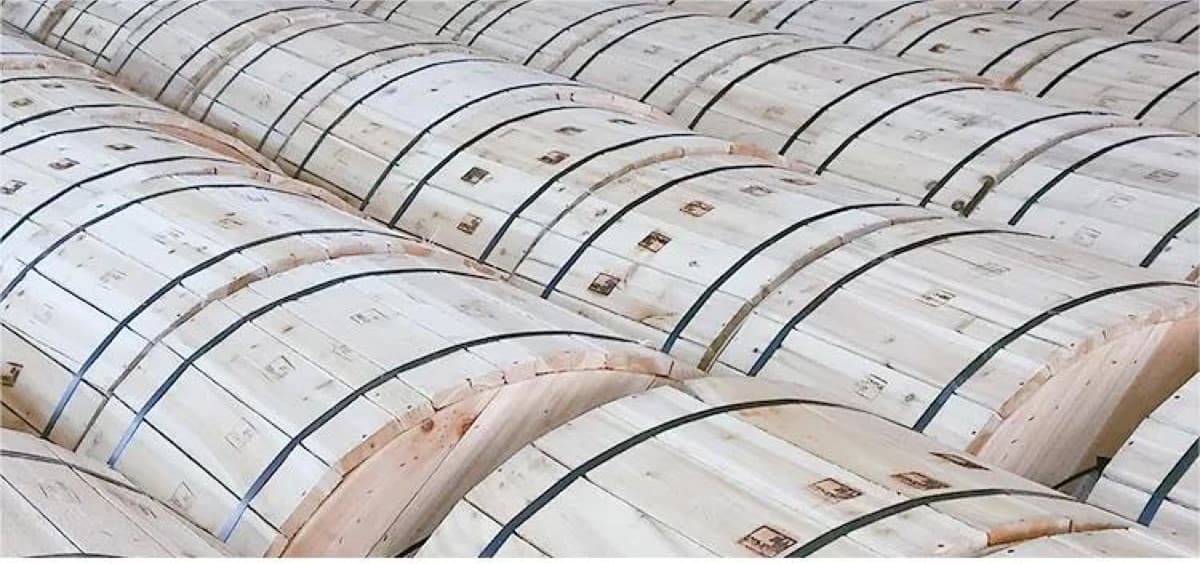
Approve a drum schedule before cable is cut
Convert the order quantity into production lengths before extrusion or final rewinding. Each line should show drum number, cable model, fibre count, ordered length, permitted tolerance, route or project section and destination. Confirm whether short lengths, split drums or over-lengths require approval. A correct total kilometre quantity can still fail the project if the lengths do not match pulling sections, splice locations, storage limits or the lifting equipment available at destination.
Match drum construction to cable and handling
The barrel diameter must respect the cable's minimum bend requirement, while flange size and construction must support the loaded weight and handling route. Agree wooden, plywood, steel or composite drums; battens or wrap; rolling direction; lifting points; stacking limitations; and whether cable ends must remain accessible for arrival testing. Do not copy one drum specification across ADSS, lightweight drop cable and heavy armoured cable without checking finished diameter, weight and transport conditions.
Confirm solid-wood requirements for the destination
ISPM 15 covers wood packaging material made from raw wood in international trade. When solid-wood drums, battens, chocks or dunnage are used, confirm the destination country's implementation, approved treatment and official marking with the freight forwarder or competent authority. Processed wood products can be treated differently. State the actual requirement instead of using 'fumigated packing' as an imprecise substitute, and verify the mark is legible before loading.
Make sheath marking and drum labels agree
Approve the sheath-print artwork before production: manufacturer or authorised brand, cable type, fibre count, year, metre sequence and any project-specific text. Every drum label should identify buyer or project, purchase order, drum number, model, fibre count, length, gross and net weight, dimensions and handling marks as required. Photograph readable start and end metre marks when sequential marking is used. Disagreement between the cable print, label and packing list is a release issue, not a cosmetic detail.
Protect and identify cable ends
Seal both ends against moisture and secure them so they cannot retract into the winding or be damaged by battens. Where the buyer plans receipt testing, arrange safe access without loosening the packed cable. Protect the outer layers from sharp fasteners and keep the winding even. Record any protective wrap, desiccant or weather cover required for the expected storage and transit conditions rather than assuming the container will remain dry throughout the journey.
Pack accessories against the project BOM
When clamps, closures, boxes, splitters or connectors travel with the cable, assign carton numbers and packing groups to the controlled bill of materials. Separate fragile optical components from drums and metal fittings, use moisture protection where required and label cartons by site or rollout phase. Reconcile quantities before loading. Small accessories create disproportionate installation delays when they are mixed, crushed or impossible to locate after arrival.
Plan loading and cargo securing before the truck arrives
Use drum dimensions and gross weights to prepare the container or vehicle layout. Check payload, floor condition, weight distribution, door clearance and a qualified blocking, bracing or chocking method so drums cannot roll. Inspect the empty container for damage, contamination or water ingress. Photograph the loading sequence, completed securing and seal number when the contract requires evidence, while recognizing that photos do not replace competent cargo-securing decisions.
Release one reconciled document pack
The final pack normally includes commercial invoice, packing list, drum schedule, approved datasheet, inspection and optical records specified by contract, certificate of conformity where required, labels and loading evidence, plus origin or import documents requested by the buyer. Exact customs requirements depend on destination and product classification, so the importer and forwarder must confirm them. Before shipment, Jiaxin Fiber can reconcile production lengths, markings, drum labels and packing records against the approved order.
Need help choosing a product?
Send the route, fiber count, quantity and destination country. Jiaxin Fiber can help match the cable and related FTTH materials.
Request Project Support