
OEM · Distributor Procurement
OEM Fiber Cable Order Handover Checklist for Distributors
A controlled handover workflow for distributors to connect approved cable construction, private-label artwork, production lots, test records, drum labels and shipping files.
Direct answer: approve one controlled pack before production
A distributor should not hand an OEM order to production through separate chat messages for cable, printing and labels. Use one approved pack that connects the cable drawing, authorized brand artwork, production quantity, drum schedule, inspection plan, label revision and shipping documents; then require every change to refer to that revision.
Define the five approval gates
Gate 1 freezes commercial scope and legal brand authorization. Gate 2 approves cable construction, performance and deviations. Gate 3 approves sheath print, color and a readable sample. Gate 4 links routine tests and finished lengths to production lots and drum numbers. Gate 5 reconciles accepted drums, labels, packing list and loading evidence before release.
Keep private-label data separate from technical data
Brand name, logo, language, carton design and market claims belong in the artwork approval. Fibre type, tube layout, strength members, armour, sheath material, diameter, performance and test methods belong in the technical approval. The two must agree on model and fibre count, but a new logo must not silently change construction and a technical revision must not reuse an obsolete label.
Control every SKU in a distributor assortment
For mixed models or fibre counts, give each SKU a stable buyer code and supplier code. Record approved drawing revision, sheath color, print line, unit length, packaging, label and destination market. A summary sheet should show which fields are shared and which are unique, reducing the risk that one market's language or compliance wording is printed on another market's cable.
Approve a representative start-up sample
Before full production, review the print on the actual sheath material and colour. Check spelling, model, fibre count, units, sequential metre marks, repeat interval, contrast and adhesion under normal handling. Record who approved the sample and what requires new approval, such as a changed print wheel, ink, sheath colour or artwork revision.
Link factory records to saleable shipping units
Use production-order or batch identifiers through colouring, tube extrusion, stranding, armour and sheathing as applicable. Finished records should identify drum or reel number, measured length, fibres tested, wavelength, result, date and acceptance status. The distributor should be able to start from a customer complaint about one drum and retrieve the approved drawing, production lot and release record.
Reconcile labels, packing list and loading photographs
The drum or reel label should repeat the buyer code, model, fibre count, length, drum number, weights and dimensions required for receiving. Compare label, sheath print, start and end metre marks and packing-list row before loading. Photographs are useful when identifiers are readable and arranged by drum number; a large unlabelled photo folder is not a controlled handover.
Distributor handover checklist
Provide legal buyer and delivery details; authorized trademark files; SKU matrix; approved construction; deviations; print and label artwork; quantity and length tolerance; drum or coil schedule; inspection and sampling plan; document language; packing marks; destination; Incoterm; required originals; and the person authorized to approve changes. Keep commercial prices outside artwork files sent to production.
FAQ: Can production start while the artwork is still being revised?
It can only be safe if production stages unaffected by artwork are clearly separated and the purchase agreement permits it. Sheath printing, labels and packing should not be released until the authorized revision is approved, because rework can delay shipment or create mixed branding.
FAQ: Is a factory photograph enough for distributor approval?
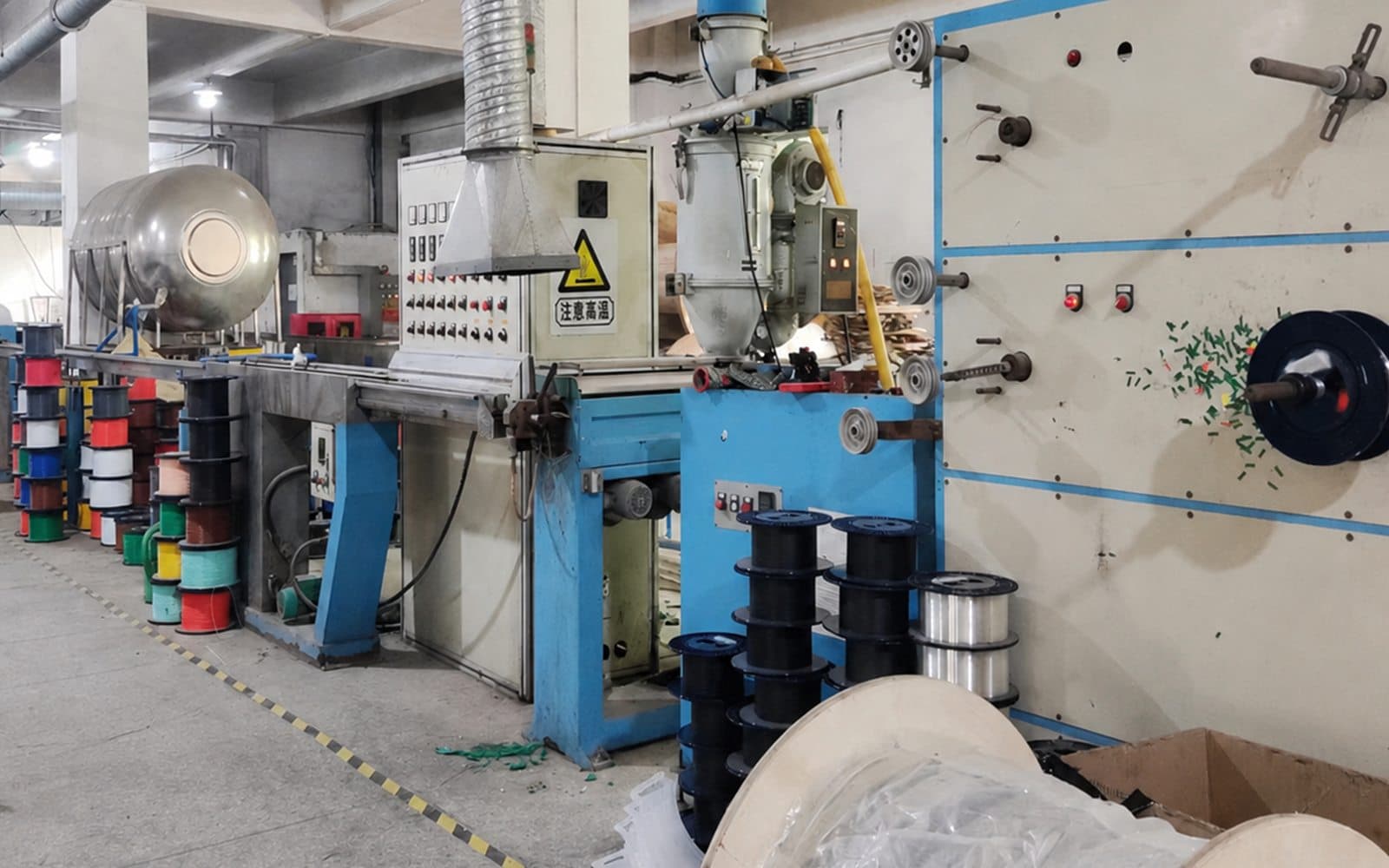
No. A real production photograph supports supplier identity and capability, but order approval also needs the controlled construction, test plan, traceability and packing data. The cover image is factory-process evidence, not proof of a particular customer's batch.
FAQ: When is third-party inspection useful?
It is useful for a new supplier, tender, high-value order or buyer that cannot perform remote review, provided scope, sampling and acceptance are agreed before production. Third-party inspection does not replace a clear purchase specification or brand approval.
Prepare an OEM order handover pack
Send the target cable construction, authorized brand artwork, print line, drum lengths, label fields, quantities, destination and inspection requirements. Jiaxin can return an approval checklist before production starts.
Send OEM Requirements